How to Prepare for Ski Season: Pre-Season Conditioning and Injury Prevention Tips

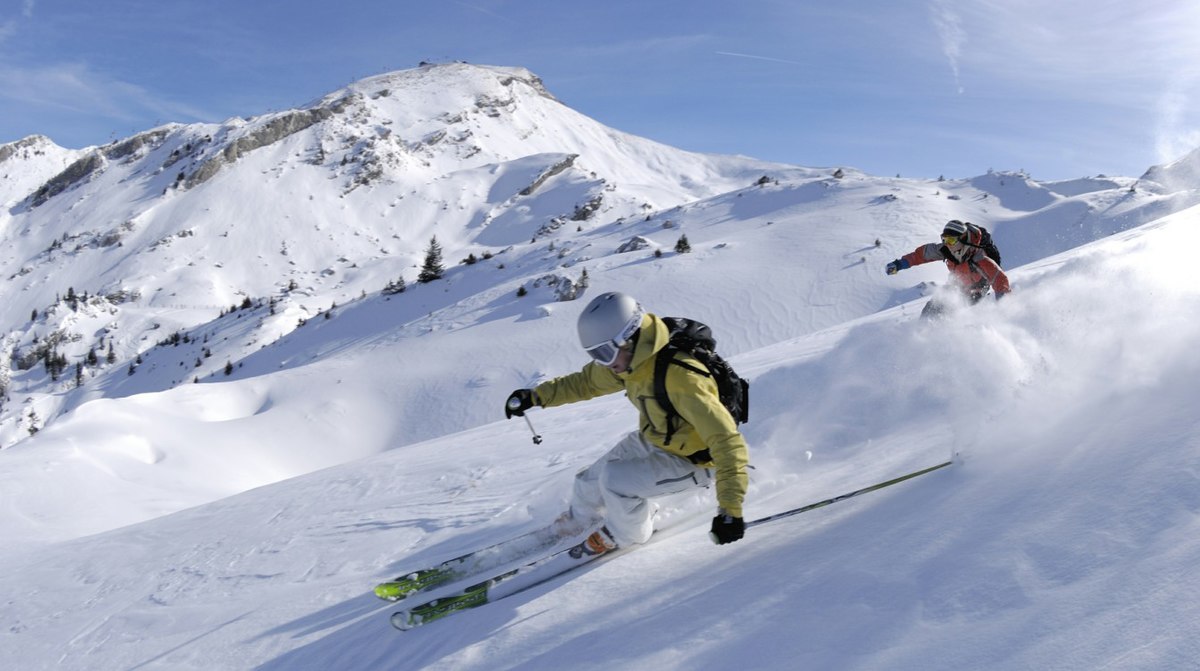
Ski season is around the corner — and whether you’re hitting the slopes in Vermont, Colorado, or the Alps, proper preparation can make all the difference between an exhilarating run and an early-season injury.

At New York Orthopedics, our sports medicine physicians and orthopedic surgeons treat hundreds of skiers each year for injuries that could have been prevented with the right pre-season conditioning and awareness.

In this guide, we’ll cover the most important exercises, flexibility routines, and safety strategies to keep your body strong, stable, and ready for ski season.

Why Pre-Season Conditioning Matters

Skiing demands a powerful combination of strength, balance, flexibility, and endurance. The sport places high stress on the knees, hips, and core — and many injuries occur in fatigued or unconditioned skiers.

Common preventable ski injuries include:

  • ACL and MCL tears (knee ligaments)
  • Quadriceps and hamstring strains
  • Shoulder dislocations
  • Wrist or thumb sprains (“Skier’s Thumb”)

A proper conditioning program can reduce your risk of injury by improving joint stability, neuromuscular control, and reaction time — key factors when navigating unpredictable snow or terrain.

Strength Training for Skiers

Keywords: ski training workout, ACL prevention exercises, ski strength program

Focus on exercises that build leg power, hip control, and core stability — all crucial for absorbing shock and maintaining alignment on uneven surfaces.

Essential Exercises:

  • Squats & Lunges: Build strength in quads, hamstrings, and glutes
  • Lateral Step-Downs: Improve knee stability and balance
  • Romanian Deadlifts: Strengthen posterior chain (glutes and hamstrings)
  • Wall Sits: Train endurance for long downhill runs
  • Planks & Side Planks: Core strength for stability and control

Aim for 3–4 strength sessions per week for at least 6–8 weeks before ski season.

Flexibility and Mobility Work

Keywords: ski stretching routine, ski warm-up NYC, mobility for skiing

Tight muscles — especially in the hips, hamstrings, and calves — can alter body mechanics and increase injury risk.

Recommended Stretches:

  • Hip flexor stretch – Prevents anterior pelvic tilt and lower back strain
  • Hamstring stretch – Improves mobility for carving turns
  • Calf stretch – Aids in boot comfort and control
  • Shoulder mobility drills – Reduces dislocation risk in falls

Consider incorporating yoga or dynamic stretching into your pre-season routine for balance and flexibility gains.

Balance and Agility Training

Keywords: ski balance exercises, injury prevention skiing, sports medicine exercises NYC

Skiing relies on constant micro-adjustments to terrain. Enhancing proprioception — your body’s ability to sense movement and position — can dramatically improve control and reduce falls.

Try These Drills:

  • Single-leg balance with eyes closed
  • BOSU or balance board exercises
  • Agility ladder drills
  • Jump and land training (plyometrics) to build reactive strength and landing control

These drills train your ankles, knees, and hips to stabilize quickly and efficiently — just like they need to on the slopes.

Nutrition and Hydration

Keywords: ski nutrition, sports medicine nutrition NYC, hydration skiing

Fueling your body is just as important as physical preparation.

  • Protein: for muscle repair (lean meats, eggs, legumes)
  • Complex carbs: for sustained energy
  • Omega-3s: to reduce inflammation and support joint health
  • Hydration: cold, dry air increases dehydration risk — drink before you’re thirsty

If you’re recovering from a previous ski injury, ask your physician about nutritional biomarkers and supplements that can support tissue healing and bone health.

When to See a Sports Medicine Specialist

Even with proper training, skiing is physically demanding and injuries can occur. If you experience persistent knee pain, instability, swelling, or decreased range of motion — especially after prior surgery or injury — it’s best to consult a sports medicine specialist.

At New York Orthopedics, our fellowship-trained orthopedic surgeons use advanced MRI and diagnostic imaging to assess injuries, and we offer both operative and non-operative treatment options tailored to each skier’s needs.

Stay Strong and Safe on the Slopes

Whether you’re preparing for your first ski trip or returning after injury, conditioning and prevention are key to a safe, confident season.

At New York Orthopedics, our goal is to keep you moving — from your first run of the season to your last day on the mountain.

Locations: Midtown Manhattan | Upper East Side | Westchester
How to Prepare for Ski Season: Pre-Season Conditioning and Injury Prevention Tips

Ski season is around the corner — and whether you’re hitting the slopes in Vermont, Colorado, or the Alps, proper preparation can make all the difference between an exhilarating run and an early-season injury.

By
Dr. Sameh Elguizaoui, M.D.
,
on
June 25, 2025

Ski season is around the corner — and whether you’re hitting the slopes in Vermont, Colorado, or the Alps, proper preparation can make all the difference between an exhilarating run and an early-season injury.

At New York Orthopedics, our sports medicine physicians and orthopedic surgeons treat hundreds of skiers each year for injuries that could have been prevented with the right pre-season conditioning and awareness.

In this guide, we’ll cover the most important exercises, flexibility routines, and safety strategies to keep your body strong, stable, and ready for ski season.

Why Pre-Season Conditioning Matters

Skiing demands a powerful combination of strength, balance, flexibility, and endurance. The sport places high stress on the knees, hips, and core — and many injuries occur in fatigued or unconditioned skiers.

Common preventable ski injuries include:

  • ACL and MCL tears (knee ligaments)
  • Quadriceps and hamstring strains
  • Shoulder dislocations
  • Wrist or thumb sprains (“Skier’s Thumb”)

A proper conditioning program can reduce your risk of injury by improving joint stability, neuromuscular control, and reaction time — key factors when navigating unpredictable snow or terrain.

Strength Training for Skiers

Keywords: ski training workout, ACL prevention exercises, ski strength program

Focus on exercises that build leg power, hip control, and core stability — all crucial for absorbing shock and maintaining alignment on uneven surfaces.

Essential Exercises:

  • Squats & Lunges: Build strength in quads, hamstrings, and glutes
  • Lateral Step-Downs: Improve knee stability and balance
  • Romanian Deadlifts: Strengthen posterior chain (glutes and hamstrings)
  • Wall Sits: Train endurance for long downhill runs
  • Planks & Side Planks: Core strength for stability and control

Aim for 3–4 strength sessions per week for at least 6–8 weeks before ski season.

Flexibility and Mobility Work

Keywords: ski stretching routine, ski warm-up NYC, mobility for skiing

Tight muscles — especially in the hips, hamstrings, and calves — can alter body mechanics and increase injury risk.

Recommended Stretches:

  • Hip flexor stretch – Prevents anterior pelvic tilt and lower back strain
  • Hamstring stretch – Improves mobility for carving turns
  • Calf stretch – Aids in boot comfort and control
  • Shoulder mobility drills – Reduces dislocation risk in falls

Consider incorporating yoga or dynamic stretching into your pre-season routine for balance and flexibility gains.

Balance and Agility Training

Keywords: ski balance exercises, injury prevention skiing, sports medicine exercises NYC

Skiing relies on constant micro-adjustments to terrain. Enhancing proprioception — your body’s ability to sense movement and position — can dramatically improve control and reduce falls.

Try These Drills:

  • Single-leg balance with eyes closed
  • BOSU or balance board exercises
  • Agility ladder drills
  • Jump and land training (plyometrics) to build reactive strength and landing control

These drills train your ankles, knees, and hips to stabilize quickly and efficiently — just like they need to on the slopes.

Nutrition and Hydration

Keywords: ski nutrition, sports medicine nutrition NYC, hydration skiing

Fueling your body is just as important as physical preparation.

  • Protein: for muscle repair (lean meats, eggs, legumes)
  • Complex carbs: for sustained energy
  • Omega-3s: to reduce inflammation and support joint health
  • Hydration: cold, dry air increases dehydration risk — drink before you’re thirsty

If you’re recovering from a previous ski injury, ask your physician about nutritional biomarkers and supplements that can support tissue healing and bone health.

When to See a Sports Medicine Specialist

Even with proper training, skiing is physically demanding and injuries can occur. If you experience persistent knee pain, instability, swelling, or decreased range of motion — especially after prior surgery or injury — it’s best to consult a sports medicine specialist.

At New York Orthopedics, our fellowship-trained orthopedic surgeons use advanced MRI and diagnostic imaging to assess injuries, and we offer both operative and non-operative treatment options tailored to each skier’s needs.

Stay Strong and Safe on the Slopes

Whether you’re preparing for your first ski trip or returning after injury, conditioning and prevention are key to a safe, confident season.

At New York Orthopedics, our goal is to keep you moving — from your first run of the season to your last day on the mountain.

Locations: Midtown Manhattan | Upper East Side | Westchester